 English
  Turkish

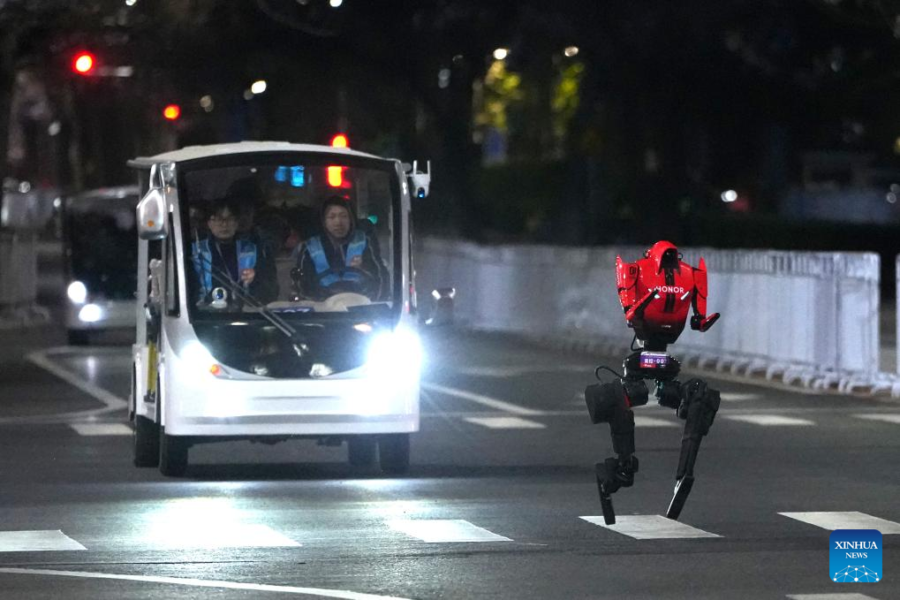
The future didn’t just arrive; it sprinted past us in a blur of carbon fiber and high-torque actuators.
On April 19 2026, the streets of the Beijing Economic-Technological Development Area (Beijing E-Town) witnessed a historic milestone that many predicted wouldn’t happen for decades. In the second annual Beijing Humanoid Robot Half Marathon, a robot didn’t just finish the race – it shattered the human world record.
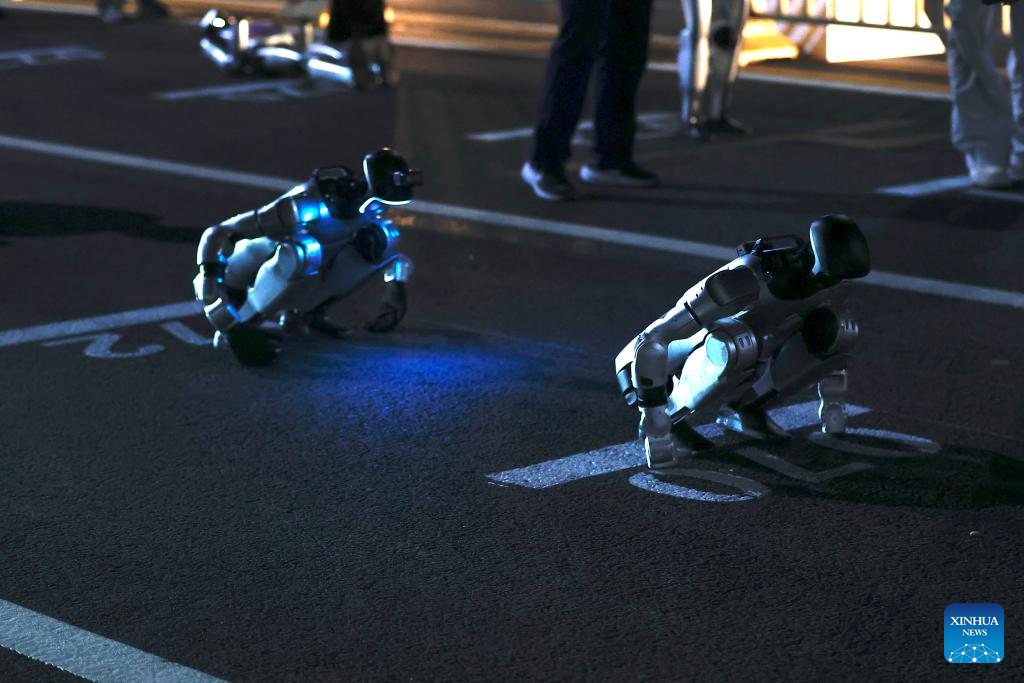
At PLEC Solutions, we analyze the intersection of advanced hardware and intelligent automation. And there is no better real-world stress test than this event to show that the velocity of robotic progress is accelerating at an exponential rate.
Exponential Growth: 2025 vs. 2026
To truly understand the leap we just witnessed, we have to look back exactly one year.
In April 2025, the inaugural race was an endearing but clunky spectacle. It was a hardware endurance trial where robots stumbled, tripped, and were constantly tended to by teams of anxious engineers. In April 2026, it was a showcase of elite, superhuman performance.
| Metric | 2025 (The Trial) | 2026 (The Takeover) |
| Total Participants | 21 humanoid entries | Over 300 humanoid entries |
| Winning Robot | Tiangong Ultra | “Lightning” (developed by Honor) |
| Winning Time | 2 hours, 40 minutes, 42 seconds | 50 minutes, 26 seconds |
| Human Assistance | High (Battery swaps, remote control) | Low (40% operated in complete otonomy) |
| Finish Rate | 28% (Only 6 of 21 finished) | Over 60% of the field crossed the finish |
To put the 2026 result in perspective: the Honor “Lightning” robot was nearly 7 minutes faster than the human half marathon world record (57:20) by Uganda’s Jacob Kiplimo.
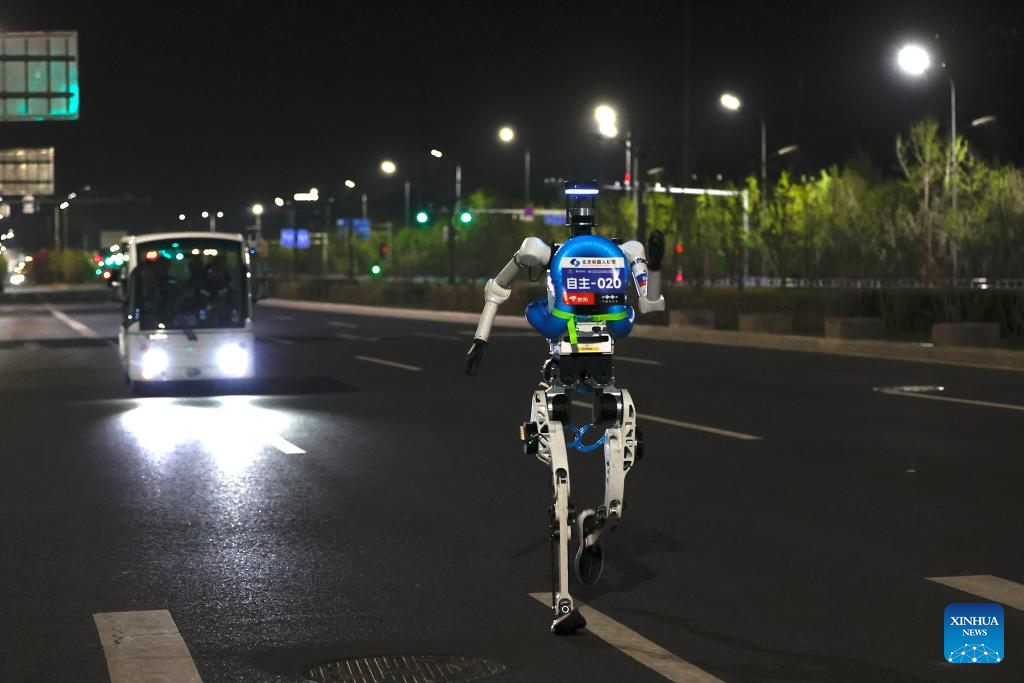
The 3 Core Tech Breakthroughs That Changed the Game
How did we go from barely walking to running at 25 km/h in just 365 days? The answer lies in three major leaps in bipedal engineering:
1. Dynamic Gait and Reinforcement Learning
In 2025, robots used pre-programmed walking trajectories. If a foot slipped, the robot fell.
By 2026, companies deployed Sim-to-Real reinforcement learning. Robots now adjust their foot placement, balance, and stride dynamically every millisecond. This allowed “Lightning” to immediately recover its balance even after a slight stumble near the finish line.
2. Advanced Liquid Cooling Systems
Running generates massive thermal energy in motors and actuators. Last year’s robots had to slow down or take forced pit stops to prevent their joints from melting. The 2026 winner used an in-house liquid cooling system adapted from advanced smartphone cooling tech, allowing the actuators to work at peak output for 50 straight minutes without overheating.
3. Battery Density and Power Distribution
To finish the 21 km course in 2025, operators had to swap batteries up to three times. In 2026, higher energy-density battery packs combined with optimized power-management software allowed the top robots to complete the entire course on a single charge.
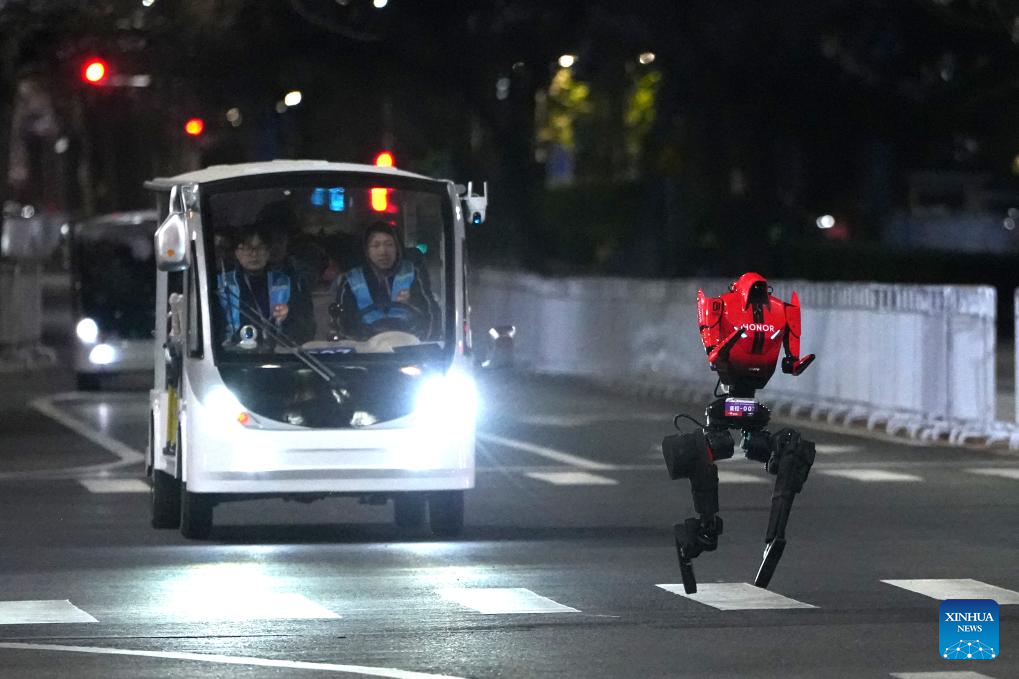
Why This Matters for PLEC Solutions
At PLEC Solutions, we view this not as a sporting curiosity, but as a manufacturing benchmark. The hardware-software integration required to navigate a 21 km outdoor course autonomously at high speeds is exactly the same technology that is about to revolutionize our supply chains, industrial warehouses, and smart factories.
The timeline for industrial humanoid adoption has just been slashed. Are your systems ready?
